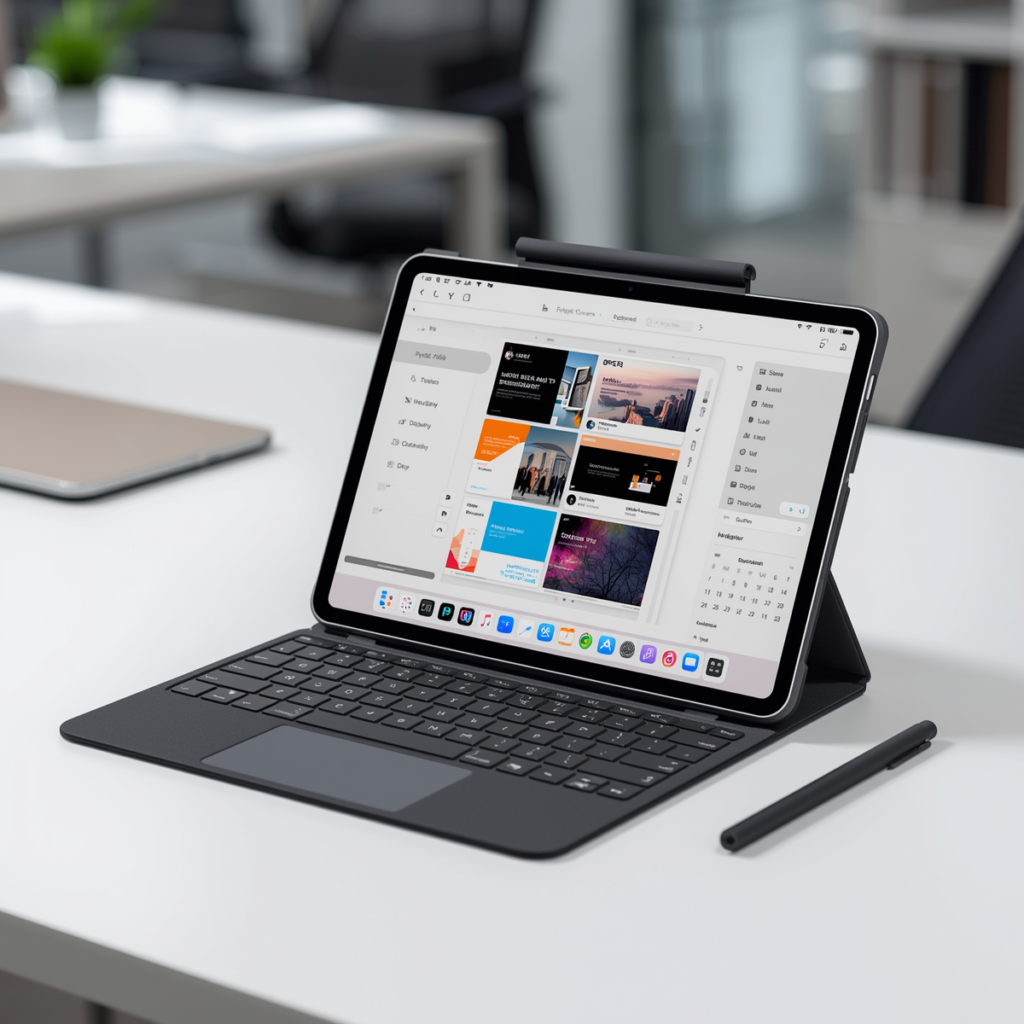

Tablets are used for work, study, entertainment, and communication. In recent years, premium tablets have improved in display quality and multitasking ability. These devices are designed to handle multiple apps at the same time while providing clear screen output for reading, watching, designing, and working.
Many users choose tablets instead of laptops for portability and touch-based control. Premium tablets offer stronger processors, better display systems, and improved software support that allows users to switch between tasks smoothly.
This article explains premium tablets, display systems, multitasking performance, use cases, features, and how to choose the right device.
What Defines a Premium Tablet
A premium tablet is a device that focuses on performance, display quality, and multitasking support.
Main elements include:
- High processing speed
- Advanced display system
- Large memory support
- App optimization
- Strong battery system
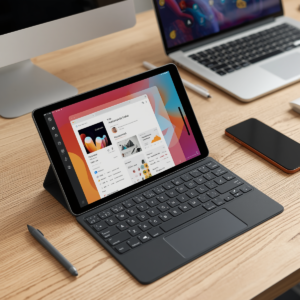
- Stylus or keyboard support
Premium tablets are used for productivity, content work, and daily tasks.
Display Systems in Premium Tablets
Display is one of the most important parts of a tablet.
Screen Resolution
Higher resolution allows:
- Clear text reading
- Better video viewing
- Detailed design work
Screen Size
Common sizes:
- Medium size for balance
- Large size for work and media
- Compact size for portability
Display Type
Tablets may use:
- LCD panels
- OLED panels
- AMOLED panels
Each system supports different viewing behavior.
Touch Response
Touch input is used for:
- Writing
- Drawing
- Navigation
- App control
Smooth touch response helps in multitasking.
Multitasking Performance in Tablets
Multitasking means running more than one app at the same time.
Split Screen Mode
Users can:
- Open two apps side by side
- Read and write at the same time
- Watch videos while browsing
Floating Windows
Some tablets allow:
- Small floating apps
- Quick switching
- Overlay tasks
App Switching
Fast switching improves productivity between:
- Notes
- Browser
- Video apps
- Office tools
Background Processing
Apps continue working in background for:
- Downloads
- Updates
- Notifications
Performance Components in Tablets
Processor
Processor controls speed of tasks.
Used for:
- App opening
- Multitasking
- Media processing
RAM
RAM helps in:
- Running multiple apps
- Smooth switching
- Reducing lag
Storage
Storage is used for:
- Apps
- Files
- Media
- Documents
Operating System
Common systems:
- Android tablets
- iPadOS devices
- Windows tablets
Each system offers different multitasking options.
Use of Premium Tablets in Work
Office Tasks
Tablets are used for:
- Document editing
- Email handling
- Presentation work
Remote Work
Users can:
- Attend meetings
- Share screens
- Manage files
Business Use
Tablets help in:
- Data review
- Reports
- Communication
Use of Premium Tablets in Study
Online Classes
Students use tablets for:
- Video lectures
- Live classes
- Assignments
Note Taking
Tablets allow:
- Digital writing
- Organizing notes
- Saving documents
Research Work
Users can:
- Browse information
- Read articles
- Collect study material
Entertainment Use of Tablets
Video Streaming
Users watch:
- Movies
- Series
- Online content
Gaming
Tablets support:
- Casual games
- Online games
- Strategy games
Reading
Users read:
- Books
- Articles
- News
Multitasking Examples in Daily Use
Study and Notes
User can:
- Watch lecture
- Write notes
Work and Email
User can:
- Check email
- Edit document
Entertainment and Browsing
User can:
- Watch video
- Browse websites
Accessories for Tablets
Keyboard
Used for typing work and documents.
Stylus Pen
Used for:
- Writing
- Drawing
- Design work
Cover Case
Protects tablet and supports stand use.
Battery and Usage
Premium tablets support:
- Long usage hours
- Video playback
- Work sessions
Battery depends on:
- Screen usage
- App load
- Brightness level
How to Choose a Premium Tablet
Usage Purpose
Identify:
- Work
- Study
- Entertainment
- Mixed use
Performance Needs
Check:
- Processor level
- RAM size
Display Requirement
Check:
- Screen size
- Resolution
Storage Requirement
Based on:
- Files
- Apps
- Media
Ecosystem Support
Check compatibility with:
- Phone
- Laptop
- Cloud services
Common Mistakes When Buying Tablets
Ignoring Multitasking Needs
Some users buy tablets without checking split-screen support.
Choosing Only by Screen Size
Performance matters more than size alone.
Not Checking App Support
Some apps work differently across systems.
Tablets vs Other Devices
Tablets vs Phones
Tablets offer:
- Larger screen
- Better multitasking
Phones offer:
- Portability
- Communication
Tablets vs Laptops
Tablets offer:
- Touch interface
- Easy mobility
Laptops offer:
- Full keyboard
- Heavy processing
Benefits of Premium Tablets
Productivity
Users can complete multiple tasks.
Flexibility
One device supports many uses.
Portability
Easy to carry compared to laptops.
Learning Support
Useful for education and training.
Future of Tablets
Future tablets may include:
- Faster processors
- Better multitasking systems
- Improved display panels
- Better stylus tools
- Stronger battery systems
Final Verdict
Premium tablets featuring display systems and multitasking performance inside are designed for users who need more than basic device use. They support work, study, and entertainment in one platform.
These tablets help users handle multiple tasks, switch apps, and manage daily work with ease. The right tablet depends on user needs, storage requirements, and performance expectations.
A premium tablet becomes useful when it matches daily work patterns and supports multitasking without interruption.
FAQ
What is a premium tablet used for?
It is used for work, study, entertainment, and multitasking.
Can tablets replace laptops?
They can handle basic tasks but not all advanced work.
Why is multitasking important in tablets?
It allows users to run multiple apps at the same time.
Do premium tablets support stylus?
Yes, many support stylus input for writing and design.
What is the main benefit of premium tablets?
They combine performance, display quality, and multitasking support.