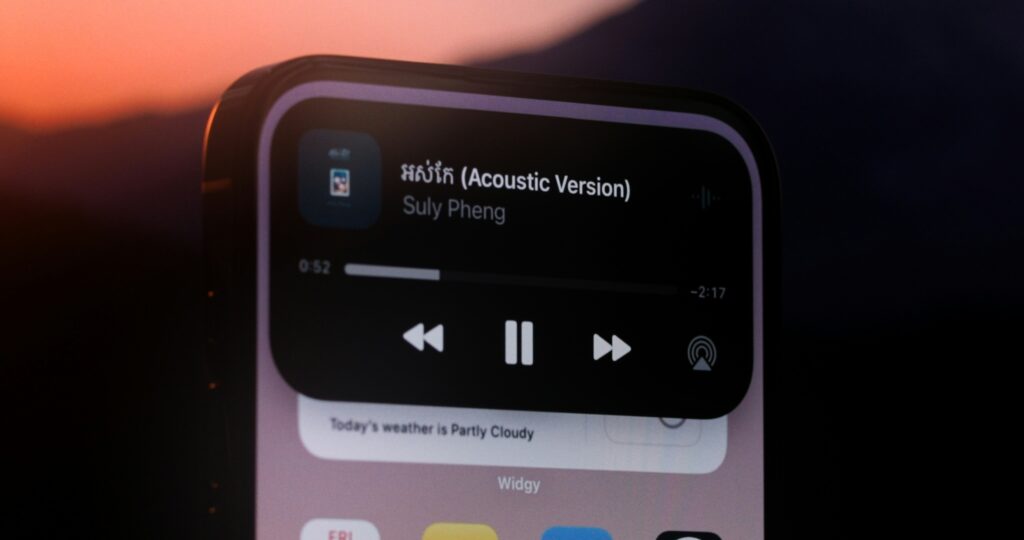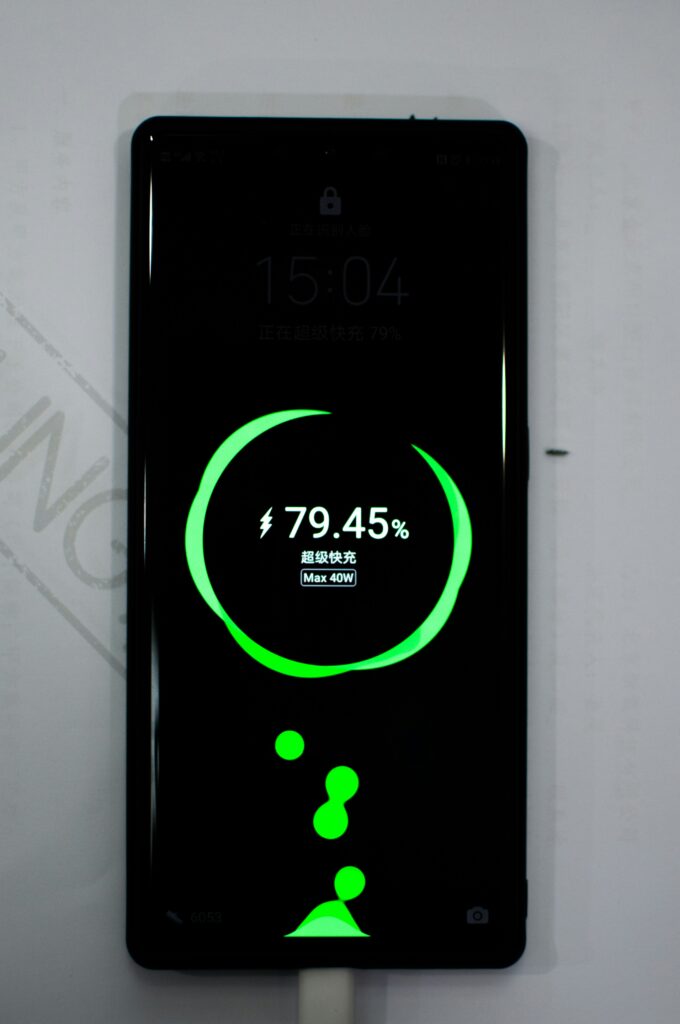
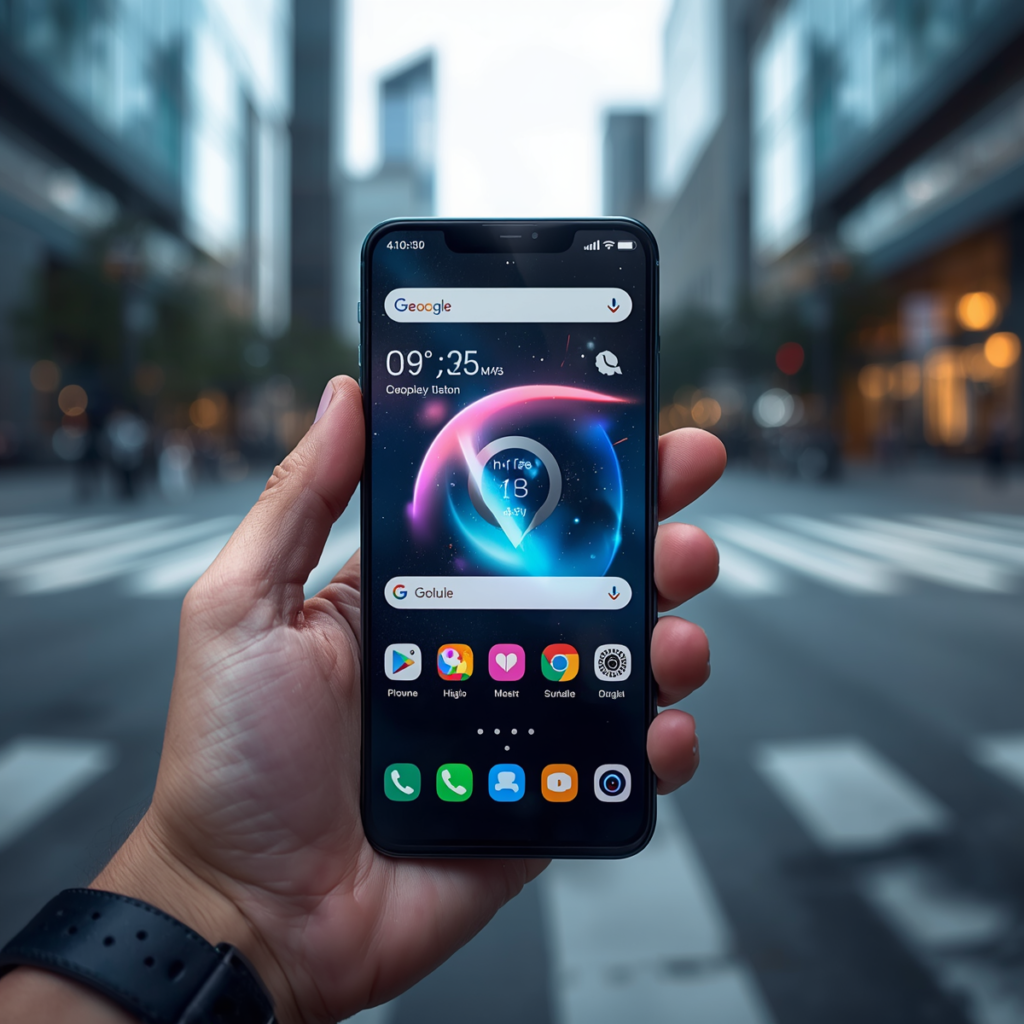

Smartphones are used for communication, work, entertainment, photography, and daily digital tasks. In recent years, premium smartphones have become popular because they combine display quality and high speed performance in one device. These phones are designed for users who want smooth operation, fast app response, and clear visual experience.
A premium smartphone is not only about design. It is about how the device performs during real use, how fast it responds, and how clear the display appears during daily tasks like browsing, gaming, streaming, and content creation.
This article explains premium smartphones, display systems, flagship speed performance, use cases, features, and how to choose the right device.
What Defines a Premium Smartphone
A premium smartphone is a device that focuses on performance, display quality, and system stability.
Main elements include:
- High performance processor
- Advanced display system
- Large memory support
- Smooth system response
- Strong battery support
- App optimization
These devices are used for both professional and personal tasks.
Display Systems in Premium Smartphones
Display is one of the most important parts of a smartphone experience.
Screen Quality
Display quality affects:
- Text clarity
- Video viewing
- Image detail
- App visibility
Screen Size
Common sizes include:
- Compact screens for one-hand use
- Medium screens for balance
- Large screens for media use
Display Technology
Smartphones use different display systems such as:
- OLED panels
- AMOLED panels
- LCD panels
Each system supports different visual output behavior.
Refresh Rate
Higher refresh rate supports:
- Smooth scrolling
- Better gaming experience
- Fast animation response
Flagship Speed Performance
Flagship speed means fast system response and smooth usage.
App Launch Speed
Apps open quickly without delay.
Multitasking
Phones support:
- Running multiple apps
- Switching between apps
- Background processing
Gaming Performance
High performance supports:
- Graphics-heavy games
- Online multiplayer games
- Smooth frame output
System Stability
Stable performance includes:
- No lag
- Smooth transitions
- Fast response system
Core Hardware Components
Processor
Processor controls:
- Speed
- App handling
- Gaming performance
RAM
RAM supports:
- Multitasking
- Background apps
- Fast switching
Storage
Storage is used for:
- Apps
- Media files
- System data
Battery
Battery supports:
- Daily usage
- Screen time
- Performance tasks
Smartphone Use Cases
Communication
Used for:
- Calls
- Messaging
- Video calls
Work Tasks
Used for:
- Emails
- Documents
- Meetings
Entertainment
Used for:
- Videos
- Music
- Games
Content Creation
Used for:
- Photography
- Video recording
- Editing
Display and Speed Interaction
Display and performance work together.
Smooth Visual Output
High refresh rate improves interaction.
Fast Touch Response
Touch input reacts quickly to user actions.
Media Experience
Videos and games run smoothly with stable performance.
Premium Smartphone Features
Advanced Cameras
Used for:
- Photos
- Videos
- Content creation
AI Processing
AI helps in:
- Image processing
- App optimization
- Battery management
Security Features
Includes:
- Face unlock
- Fingerprint access
- Data protection
Smartphones for Different Users
Students
Needs:
- Study apps
- Video learning
- Reading support
Office Users
Needs:
- Communication tools
- Document handling
- Meeting apps
Gamers
Needs:
- High performance
- Strong graphics support
- Smooth gameplay
Content Users
Needs:
- Camera system
- Editing tools
- Storage space
Battery and Performance Balance
Premium smartphones balance:
Power Use
High performance requires more energy.
Optimization
Systems manage power usage efficiently.
Charging Support
Fast charging reduces downtime.
Software System in Smartphones
Operating System
Common systems:
- Android
- iOS
System Updates
Updates improve:
- Performance
- Security
- App compatibility
App Optimization
Apps are optimized for:
- Smooth usage
- Better speed
- Battery control
How to Choose a Premium Smartphone
Usage Type
Identify main purpose:
- Gaming
- Work
- Photography
- General use
Performance Needs
Check:
- Processor
- RAM
Display Requirement
Check:
- Screen type
- Refresh rate
Storage Requirement
Based on:
- Apps
- Media
- Files
Battery Requirement
Based on daily usage hours.
Common Mistakes When Buying Smartphones
Focusing Only on Design
Design does not define performance.
Ignoring Processor
Processor affects speed and gaming.
Not Checking Display Quality
Display affects daily usage experience.
Overlooking Storage
Storage fills quickly with apps and media.
Smartphones in Daily Life
Morning Use
- Messages
- Emails
- Updates
Day Use
- Work tasks
- Calls
- Browsing
Night Use
- Entertainment
- Gaming
- Social media
Accessories for Smartphones
Charger
Used for daily power needs.
Case
Protects device from damage.
Earbuds
Used for audio and calls.
Power Bank
Used for backup charging.
Future of Smartphones
Future developments include:
- Faster processors
- Better display systems
- Improved AI features
- Stronger battery systems
- Better multitasking support
Final Verdict
Premium smartphones featuring display systems and flagship speed performance are designed for users who need fast, stable, and smooth device experience. They support communication, work, entertainment, and content creation in one device.
Choosing the right smartphone depends on performance needs, display quality, storage, and battery support. A well-balanced device improves daily use and reduces system delays.
FAQ
What is flagship speed in smartphones?
It means fast performance and smooth system response.
Why is display important in smartphones?
It affects visuals, reading, and media experience.
Can premium smartphones handle gaming?
Yes, they support high performance gaming.
What makes a smartphone premium?
Performance, display quality, and system stability.
Do premium phones last longer?
They usually offer better hardware and software support.