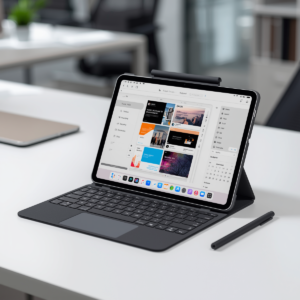
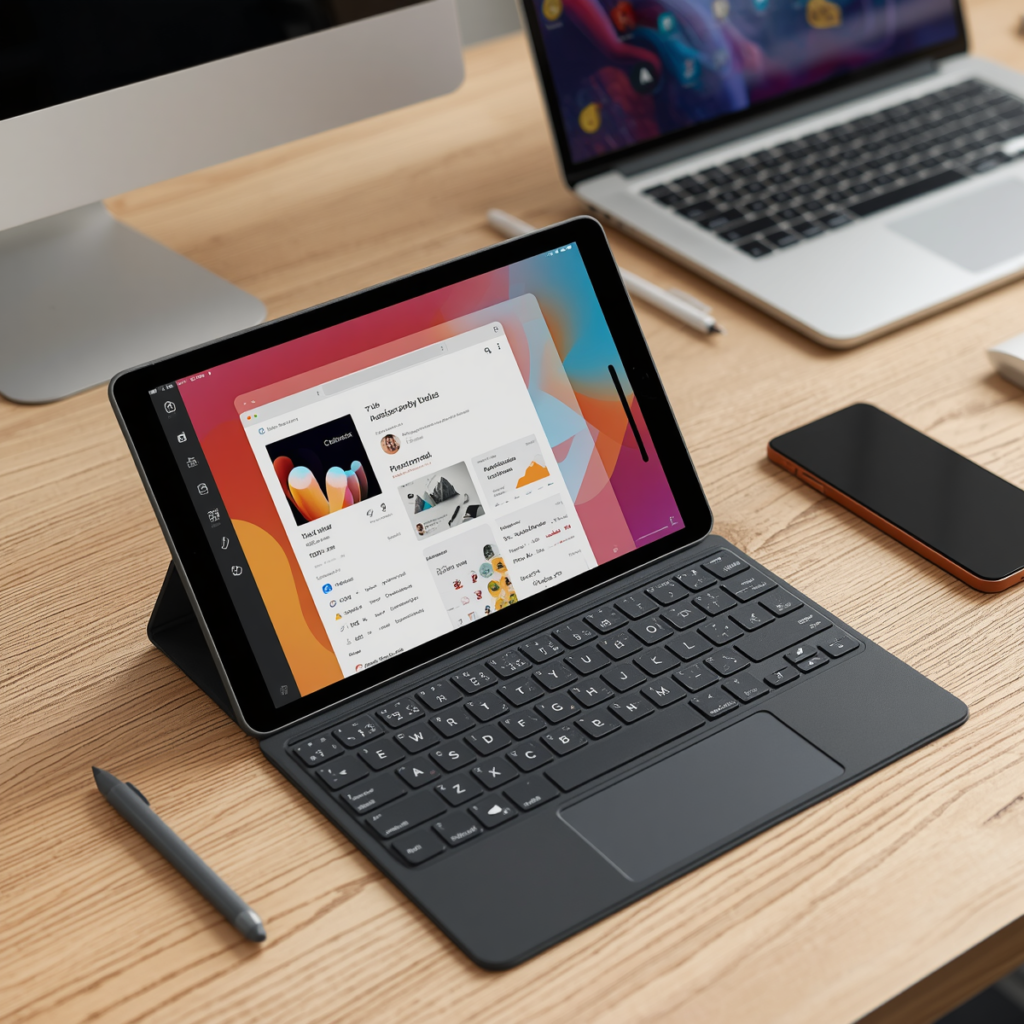

Tablets are used in many areas of daily life. They are used for work tasks, online study, video streaming, reading, gaming, browsing, and communication. A tablet sits between a smartphone and a laptop, giving a balance of portability and screen size. This makes it useful for users who need a larger display but do not want a heavy computer setup.
People choose tablets for flexibility. A single device can support writing documents, attending online classes, watching videos, managing emails, and running apps. Because of this, tablets are now common in schools, offices, and homes.
This article explains how tablets are used for work, study, entertainment, and daily tasks. It also covers features, selection tips, performance factors, and practical use cases.
Why Tablets Are Used Today
Tablets have become popular because they support multiple functions in one device.
Main reasons for usage:
- Portable screen device
- Touch-based control system
- App-based working system
- Easy online access
- Media viewing support
- Study and reading use
- Lightweight structure compared to laptops
A tablet is often used when a phone screen is too small and a laptop is not required.
Tablets for Work Use
Tablets support basic and advanced work tasks depending on system and specifications.
Document Work
Users can create and edit:
- Word documents
- Spreadsheets
- Presentations
- Notes
Many apps support cloud saving, which allows file access from different devices.
Email and Communication
Tablets support:
- Email checking
- Email writing
- Team communication apps
- Video meetings
This is useful for remote work and office tasks.
Office Apps
Common tools used on tablets:
- Document editors
- Cloud storage apps
- Calendar tools
- Task managers
Remote Work Use
Tablets support:
- Online meetings
- Screen sharing
- File access
- Messaging tools
Tablets for Study Use
Tablets are widely used by students.
Online Classes
Students use tablets for:
- Video lectures
- Live classes
- Educational apps
- Screen sharing sessions
Reading and Notes
Tablets support:
- E-books
- PDF reading
- Digital notes
- Highlight tools
Learning Apps
Common study apps include:
- Language learning apps
- Practice tests
- Video tutorials
- Skill development apps
Exam Preparation
Tablets help in:
- Practice quizzes
- Revision notes
- Past paper reading
Tablets for Entertainment
Tablets are commonly used for entertainment due to screen size.
Video Streaming
Users watch:
- Movies
- Series
- Online videos
Music and Audio
Tablets support:
- Music apps
- Podcasts
- Audio streaming
Gaming
Tablets are used for:
- Casual games
- Online games
- Strategy games
Reading Content
Users read:
- News
- Articles
- Blogs
- Digital books
Daily Use of Tablets
Tablets are also used for general daily tasks.
Browsing
Users access:
- Websites
- Search engines
- Online services
Social Media
Common apps:
- Messaging apps
- Social platforms
- Video sharing apps
Task Management
Users manage:
- Daily schedules
- Reminders
- Notes
- To-do lists
Home Use
Tablets are used at home for:
- Video calls
- Entertainment
- Learning
- Browsing
Key Features in Tablets
When choosing a tablet, several features matter.
Screen Size
Common sizes:
- Small tablets for portability
- Medium tablets for balance
- Large tablets for work and media
Performance
Performance depends on:
- Processor
- RAM
- App optimization
Storage
Storage is used for:
- Apps
- Files
- Media content
Battery Life
Battery supports:
- Long usage hours
- Study sessions
- Entertainment use
Operating System
Common systems:
- Android
- iPadOS
- Windows-based tablets
Each system supports different apps and features.
Tablets for Different Users
Students
Needs:
- Reading support
- Note-taking apps
- Video lectures
- Budget-friendly options
Office Users
Needs:
- Email access
- Document editing
- Meeting apps
- Cloud storage
Travelers
Needs:
- Portable device
- Media access
- Offline content
- Long battery use
Content Users
Needs:
- Video editing apps
- Media tools
- Storage space
How Tablets Work with Other Devices
Tablets can connect with:
- Keyboards
- Stylus pens
- Bluetooth devices
- Cloud services
This improves productivity and flexibility.
Tablets vs Other Devices
Tablets vs Smartphones
Tablets offer:
- Larger screen
- Better reading experience
- Better media viewing
Smartphones offer:
- Portability
- Always-on communication
Tablets vs Laptops
Tablets offer:
- Touch control
- Light weight
- Easy portability
Laptops offer:
- Full keyboard
- Advanced software
- Heavy tasks support
Choosing the Right Tablet
1. Usage Type
Identify main purpose:
- Study
- Work
- Entertainment
- Mixed use
2. Performance Level
Check:
- Processor
- RAM size
- App speed
3. Storage Needs
Choose based on:
- App usage
- File storage
- Media files
4. Battery Requirement
Consider:
- Long study sessions
- Travel use
- Daily workload
5. Ecosystem Support
Check compatibility with:
- Phone
- Laptop
- Cloud services
Common Mistakes When Buying Tablets
Choosing Only by Size
Size does not define performance.
Ignoring Storage
Low storage fills quickly with apps and media.
Not Checking App Support
Some apps work better on specific systems.
Buying Without Purpose
Users should define needs before purchase.
Tablet Accessories
Accessories improve usability.
Keyboard
Used for typing documents and emails.
Stylus Pen
Used for:
- Drawing
- Writing
- Notes
Cover Case
Protects device and supports stand use.
Screen Protector
Protects display from scratches.
Tablets in Education and Work Growth
Tablets support skill development and remote work.
Education
- Online learning
- Skill courses
- Practice work
Work
- Remote communication
- Document handling
- Meetings
Future of Tablets
Tablet development is moving toward:
- Better processing power
- Improved multitasking
- Stronger battery systems
- More app integration
- Better stylus support
Final Verdict
Best tablets for work, study, entertainment, and daily smooth performance are devices that support multiple tasks in one platform. Tablets help users read, work, learn, and watch content without switching devices.
The right tablet depends on usage needs, budget, performance expectations, and ecosystem support. Students, office users, and general users can all benefit from tablets when selected correctly.
A tablet becomes most useful when matched with daily tasks and usage habits.
FAQ
What is a tablet used for?
A tablet is used for work, study, entertainment, and browsing.
Is a tablet good for students?
Yes, it supports online learning, notes, and reading.
Can tablets replace laptops?
They can replace basic tasks but not all advanced work.
Do tablets support apps?
Yes, tablets support apps based on their operating system.
What is the main advantage of a tablet?
A tablet offers a balance between portability and screen size.