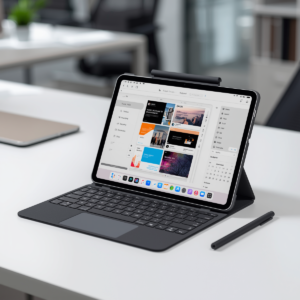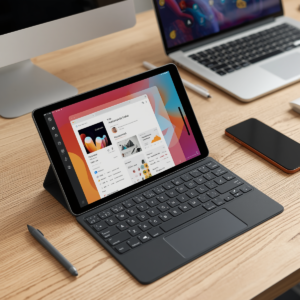
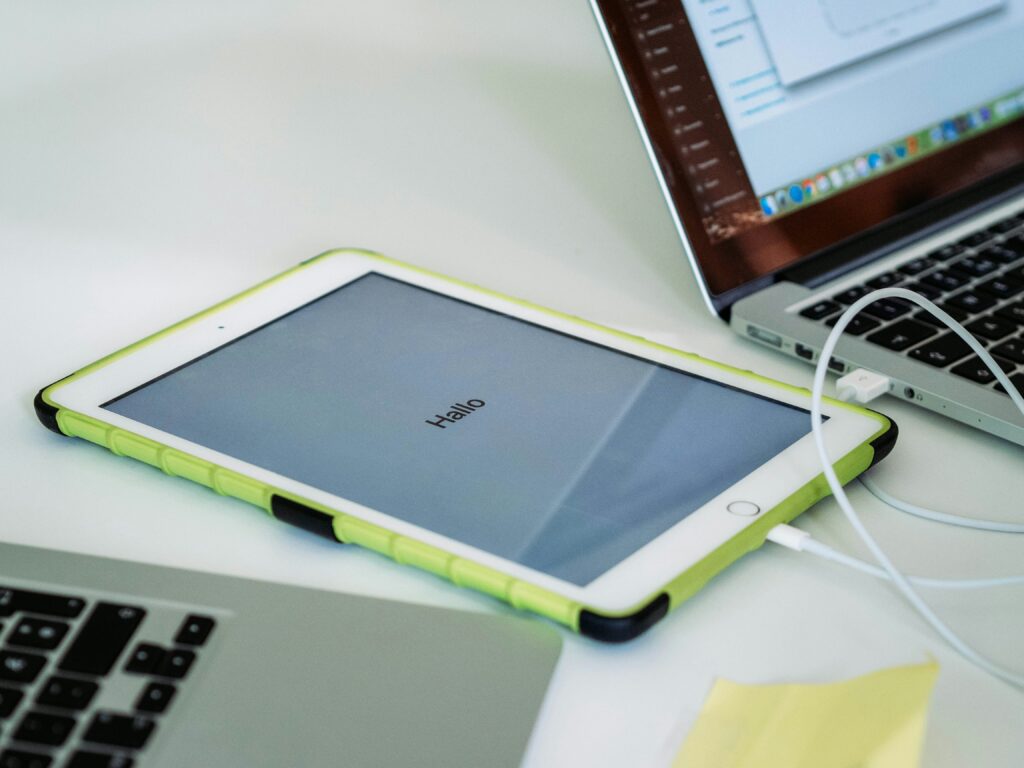

Tablets are now widely used by students for study, online classes, reading, note-taking, and daily learning tasks. Many students prefer tablets because they are easy to carry, simple to use, and support learning apps and video lessons. When students choose a tablet, two main factors matter most: price and battery life.
Affordable tablets with long battery life help students continue study work without frequent charging. They also reduce cost pressure while still supporting essential academic tasks.
This article explains how affordable tablets help students, why battery life matters, what features are needed, how to choose the right device, and how tablets support modern education.
Why Students Use Tablets Today
Students use tablets because education has changed. Many learning activities now happen online.
Main uses include:
- Online classes
- Video lectures
- Reading textbooks
- Writing notes
- Assignments submission
- Research work
- Educational apps
- Exam preparation
A tablet supports these tasks in one device without needing a laptop for every activity.
Importance of Affordable Tablets for Students
Not every student can afford expensive devices. Affordable tablets help reduce cost while still supporting learning.
Benefits include:
- Lower purchase cost
- Basic learning support
- Easy portability
- Touch screen usability
- App-based study system
Affordable tablets are suitable for school, college, and early university use.
Why Battery Life Matters for Students
Battery life is important for students because study time is long and sometimes continuous.
Study Routine
Students often attend:
- Online classes for hours
- Revision sessions
- Group discussions
- Practice tests
If battery is low, learning is interrupted.
Travel and School Use
Students may not always have charging access during:
- School hours
- Transport
- Library study
- Outdoor classes
Long battery life reduces charging stress.
Daily Usage
Tablets are used for:
- Morning study
- Afternoon classes
- Evening revision
Battery must support full-day use.
Features Needed in Student Tablets
Display Size
Tablets come in different screen sizes:
- Small screens for portability
- Medium screens for balance
- Large screens for reading and videos
Students often prefer medium size for comfort.
Performance
Performance depends on:
- Processor speed
- RAM size
- App optimization
It affects how smoothly apps run.
Storage
Storage is used for:
- Study apps
- PDF books
- Notes
- Videos
Students need enough storage for learning materials.
Battery Capacity
Battery capacity affects usage time.
Long battery tablets support:
- Full-day study
- Video lectures
- App usage
Operating System
Common systems include:
- Android
- iPadOS (in some devices)
Android tablets are more common in affordable range.
Study Activities on Tablets
Online Classes
Students use tablets for:
- Live lectures
- Recorded lessons
- Interactive learning
Note Taking
Students can:
- Write notes
- Save documents
- Organize subjects
Reading Material
Tablets support:
- PDFs
- E-books
- Online articles
Practice Work
Students use apps for:
- Quizzes
- Tests
- Assignments
Battery Usage in Student Tablets
Battery usage depends on activities.
High Usage Activities
- Video streaming
- Online classes
- Gaming
- Bright screen usage
Medium Usage Activities
- Reading
- Writing notes
- Browsing
Battery Saving Practices
Students can:
- Reduce brightness
- Close unused apps
- Use offline content
- Disable background apps
Types of Affordable Tablets for Students
Basic Tablets
Used for:
- Reading
- Basic apps
- Video viewing
Mid Range Tablets
Used for:
- Online classes
- Multitasking
- App usage
Entry Level Tablets
Used for:
- Simple learning apps
- Basic browsing
How Tablets Support Education
Digital Learning
Tablets allow students to learn through apps and online platforms.
Remote Classes
Students can join classes from home or anywhere.
Skill Development
Students can learn:
- Language
- Coding
- Design
- Business basics
Organized Study
Students can store notes and materials in folders.
Tablets vs Other Study Devices
Tablets vs Smartphones
Tablets offer:
- Larger screen
- Better reading
- Easier note-taking
Smartphones offer:
- Portability
- Communication
Tablets vs Laptops
Tablets offer:
- Touch interface
- Light weight
- Easy handling
Laptops offer:
- Full keyboard
- Advanced tasks
Choosing the Right Student Tablet
1. Study Needs
Identify main purpose:
- Online classes
- Reading
- Note-taking
- Mixed use
2. Battery Requirement
Choose tablets that support long usage hours.
3. Storage Size
Choose based on:
- Number of apps
- Study files
- Videos
4. Performance Level
Ensure smooth app usage for study apps.
5. Budget Range
Choose affordable options within student budget.
Common Mistakes Students Make
Choosing Only Based on Price
Low price may reduce performance.
Ignoring Battery Capacity
Small battery may not support full study day.
Not Checking App Compatibility
Some apps may not run smoothly.
Buying Too Large or Too Small Screen
Wrong size can affect comfort.
Useful Accessories for Students
Stylus Pen
Used for:
- Writing notes
- Drawing diagrams
- Highlighting text
Keyboard
Used for:
- Assignments
- Typing notes
- Online exams
Tablet Cover
Protects device during daily use.
Screen Protector
Protects display from scratches.
Daily Study Routine Using Tablets
Morning
- Join online class
- Read notes
Afternoon
- Watch lectures
- Do assignments
Evening
- Revision
- Practice tests
- Reading
How to Improve Battery Life
Students can improve usage time by:
- Lowering brightness
- Closing unused apps
- Using airplane mode when needed
- Downloading offline content
- Turning off background sync
Future of Student Tablets
Future tablets may include:
- Longer battery systems
- Better learning apps
- Stronger processors
- Better note tools
- Improved screen quality
Education technology is expanding and tablets will remain part of it.
Final Verdict
Affordable tablets with long battery life for students today needs are important tools for modern education. They support online classes, reading, writing, and daily study tasks in one device.
A good student tablet should balance price, battery life, and performance. It should support learning apps and last through long study hours without interruption.
Students should choose tablets based on study needs, not only price. When selected correctly, a tablet becomes a strong support tool for education.
FAQ
Why do students use tablets?
Students use tablets for online classes, reading, and study apps.
Is battery life important in student tablets?
Yes, it supports long study sessions without charging breaks.
Can tablets replace books?
They can store digital books but may not fully replace physical books.
Are affordable tablets good for study?
Yes, if they support basic learning apps and battery needs.
What is the main use of student tablets?
The main use is education, including reading, classes, and assignments.