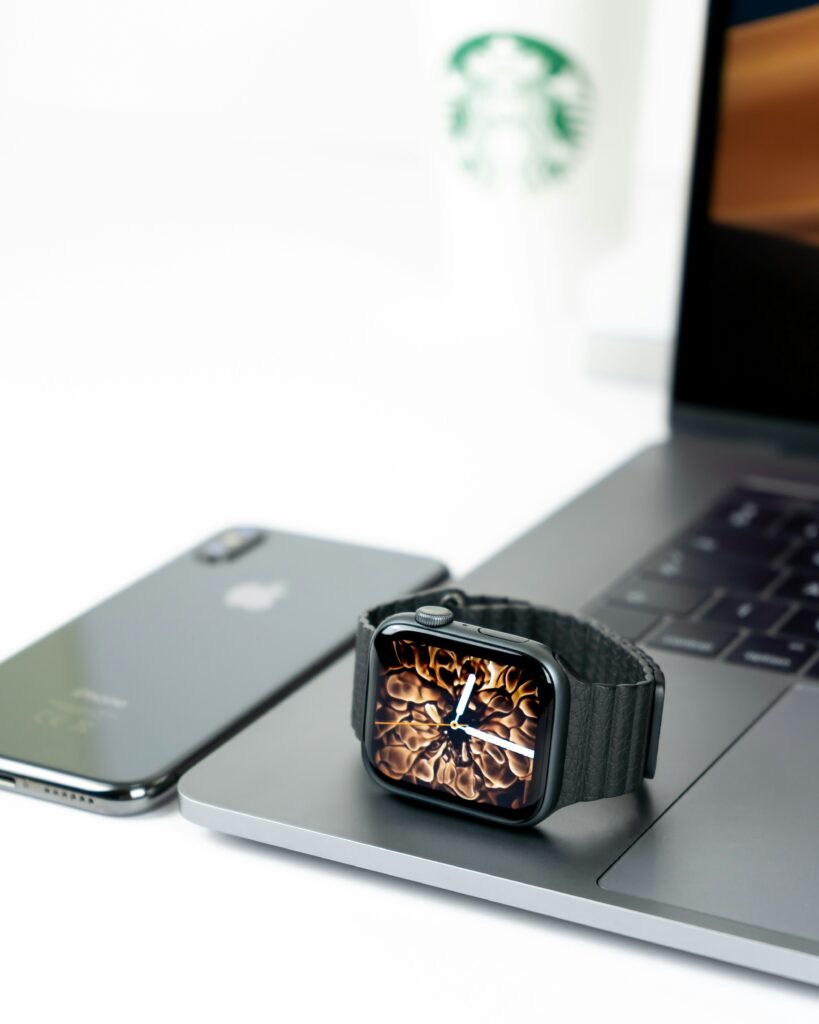

Smartwatches are no longer limited to showing time or counting steps. They now serve as tools for training, health tracking, communication, scheduling, and daily convenience. Many users want one device that supports sports performance during workouts and also fits everyday wear at work, home, travel, or social settings.
This demand has created a strong market for smartwatches that combine training features with wearable design. These watches help runners, gym users, cyclists, students, and office workers manage routines while staying connected.
This guide explains how unique smartwatches for sports performance and stylish everyday wear can support modern life, what features matter most, how to choose the right model, and how to get long-term value from your purchase.
Why Smartwatches Are Popular Today
People now expect devices to perform multiple tasks in one product. A smartwatch can track exercise, display notifications, support schedules, and act as a daily accessory.
Reasons for popularity include:
- Fitness tracking
- Health monitoring
- Call and message alerts
- Time management
- Navigation support
- Music control
- Daily convenience
For many users, a smartwatch becomes one of the most used devices after the phone.
What Makes a Smartwatch Unique?
Not all smartwatches offer the same experience. A unique smartwatch usually combines function, comfort, design, and practical use.
Key traits may include:
- Sports tracking features
- Strong battery life
- Changeable straps
- Watch faces for different settings
- Water resistance
- Comfortable wear
- Build quality
- Easy software use
The best models balance sports needs with everyday appearance.
Smartwatches for Sports Performance
Sports performance is one of the biggest reasons people buy smartwatches. Training data helps users understand progress and build routines.
Heart Rate Tracking
Most sports smartwatches measure pulse during exercise. This helps users monitor effort during:
- Running
- Cycling
- Gym sessions
- Walking
- Interval training
Users often train in heart rate zones to manage pace.
GPS Tracking
Built-in GPS records routes, pace, distance, and movement outdoors.
Useful for:
- Running routes
- Cycling paths
- Hiking trails
- Walking sessions
GPS removes the need to carry a phone for route records on many models.
Workout Modes
Many smartwatches include activity profiles such as:
- Running
- Treadmill
- Strength training
- Yoga
- Rowing
- Swimming
- Football
- Tennis
These modes organize workout records and metrics.
Recovery Data
Some models estimate recovery time after exercise based on heart rate and workload.
Step and Calorie Tracking
Daily movement totals help users stay active outside workouts.
Smartwatches for Everyday Wear
Sports features matter, but users also want a watch that works in normal life.
Notification Support
Smartwatches display:
- Calls
- Messages
- Email alerts
- App notifications
- Calendar reminders
This helps users stay updated without checking the phone often.
Professional Use
During office hours, smartwatches can support:
- Silent alerts
- Meeting reminders
- Timers
- Schedule checks
Travel Use
Useful travel functions include:
- World clock
- Navigation prompts
- Boarding reminders from apps
- Weather updates
Casual Daily Wear
A smartwatch can match clothing, social settings, or daily routines through strap changes and watch face options.
Design Features That Matter
A smartwatch worn all day should feel right and look suitable in different environments.
Case Shape
Two common designs:
- Round case
- Square case
Round designs often resemble classic watches. Square designs often maximize screen space.
Materials
Common watch body materials:
- Aluminum
- Stainless steel
- Titanium
- Composite materials
Strap Options
Users often change straps for different needs:
- Silicone for workouts
- Leather for office wear
- Metal for events
- Nylon for comfort
Watch Faces
Digital watch faces allow changes in style and data layout.
Battery Life and Why It Matters
Battery life affects convenience.
Short battery life may require daily charging. Longer battery life supports sleep tracking, travel, and regular use.
Battery depends on:
- Screen brightness
- GPS use
- Notification volume
- Sensor activity
- Always-on display use
Users who train often should consider battery performance carefully.
Health Features Beyond Sports
Modern smartwatches often include wellness tools beyond workouts.
Sleep Tracking
Tracks:
- Sleep duration
- Wake periods
- Sleep stages estimates
Blood Oxygen Tracking
Available on some models for wellness reference.
Stress Monitoring
Some devices estimate stress and suggest breathing sessions.
Sedentary Alerts
Reminders encourage movement after long sitting periods.
Best Users for Sports and Daily Smartwatches
Runners
Need:
- GPS
- Pace tracking
- Heart rate data
- Route history
Gym Users
Need:
- Strength workout modes
- Pulse tracking
- Timers
Office Users
Need:
- Notifications
- Battery life
- Formal design
Students
Need:
- Alarms
- Timers
- Call alerts
- Budget value
Travelers
Need:
- Long battery
- Maps support
- Alerts
- Comfort
Popular Smartwatch Brands
Many brands serve this category.
Apple Watch
Strong ecosystem for iPhone users.
Samsung Galaxy Watch
Popular among Android users.
Garmin
Known for training and sports data.
Huawei Watch
Often selected for battery and design.
Amazfit
Budget-focused with broad feature sets.
Fitbit
Health and activity focus.
How to Choose the Right Smartwatch
Before buying, ask what matters most.
1. Sports Priority or Daily Priority?
If training matters most, focus on sensors and GPS.
If office use matters most, focus on notifications and comfort.
2. Phone Compatibility
Check whether the watch works with:
- Android
- iPhone
- Both systems
3. Battery Expectations
Choose:
- Daily charge models for more apps
- Multi-day models for convenience
4. Budget Range
There are entry, mid, and premium options.
5. Comfort
Try to choose a case size and strap that fits your wrist.
Common Buying Mistakes
Buying by Brand Only
Some lesser-known brands offer better value for certain needs.
Ignoring Size
Large watches may feel heavy for some users.
Overpaying for Unused Features
If you only need steps and alerts, advanced metrics may not matter.
Skipping App Quality Check
The companion app affects long-term experience.
Smartwatch Use Through a Typical Day
Morning
- Wake alarm vibration
- Check weather
- Review steps goal
Work Hours
- Calendar reminders
- Call alerts
- Quick notification view
Workout Time
- Start training mode
- Monitor pulse
- Save session data
Evening
- Music control
- Relax timer
- Sleep tracking start
How to Maintain a Smartwatch
To keep the device working well:
- Clean strap regularly
- Dry after workouts
- Charge with original cable
- Update software
- Store safely when not in use
Future of Smartwatches for Sports and Style
The category continues to grow.
Likely trends:
- Better sensors
- Longer battery life
- More training insights
- Lighter materials
- Better app support
- More design options
This means users can expect stronger balance between performance and daily wear.
Are These Smartwatches Worth It?
For many users, yes. A smartwatch that handles workouts and daily life can reduce the need for separate devices.
Value is high for users who:
- Exercise regularly
- Need notifications often
- Prefer one wearable for many settings
- Want movement and health awareness