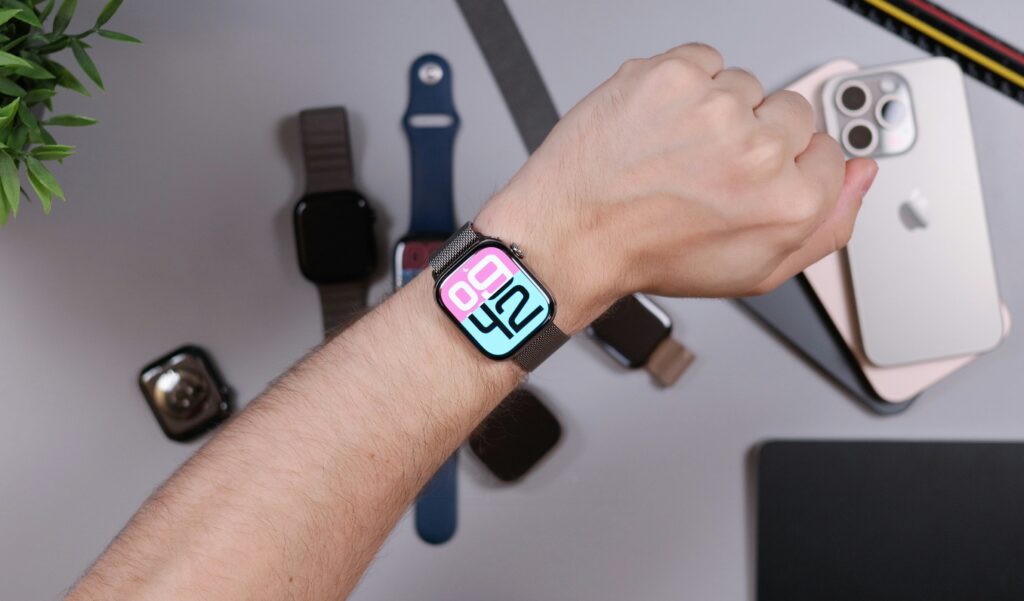

Smartwatches have become part of daily life for many users. What once seemed like a premium gadget is now available in budget-friendly price ranges. Many affordable smartwatches now include health monitoring tools, activity tracking, call alerts, message notifications, and app connectivity. This means users no longer need to spend a high amount to access smartwatch features.
For students, office workers, fitness users, travelers, and general phone users, an affordable smartwatch can offer useful functions without adding high cost. These devices help manage time, track movement, receive updates, and monitor health data from the wrist.
This guide explains how affordable smartwatches work, what features they offer, how health monitoring systems function, how smart notifications improve daily routines, and how to choose the right model.
Why Affordable Smartwatches Are Popular
The smartwatch market has expanded quickly. More brands now produce watches at different price levels, making entry easier for first-time buyers.
Reasons for growing demand include:
- Lower prices than before
- Better battery life in many models
- Health tracking features
- Notification support
- Fitness tracking tools
- Stylish wearable format
- Compatibility with many phones
Affordable models are now common choices for users who want value and daily convenience.
What Is an Affordable Smartwatch?
An affordable smartwatch is a wearable device sold at a lower cost than premium flagship models while still offering core smart features.
These usually include:
- Time and date display
- Bluetooth connection
- Call and message alerts
- Step counting
- Heart rate tracking
- Sleep logs
- Workout modes
- Battery management tools
Some budget watches also include blood oxygen checks, voice assistant support, music control, and weather updates.
Health Monitoring Features in Affordable Smartwatches
Health tracking is one of the biggest reasons people buy smartwatches. Many lower-cost models now include sensors that once appeared only in higher price categories.
Heart Rate Monitoring
Most smartwatches now include optical sensors that read pulse levels through the skin.
Uses include:
- Resting heart rate checks
- Workout pulse tracking
- Daily trend monitoring
- Recovery awareness
This helps users understand activity effort and routine patterns.
Sleep Tracking
Sleep monitoring records:
- Total sleep time
- Light sleep periods
- Deep sleep estimates
- Wake moments during night
Users often use this data to improve sleep habits.
Blood Oxygen Monitoring
Some watches estimate oxygen saturation levels using sensors. This feature is often used as a wellness reference.
Stress Tracking
Certain devices estimate stress through heart rate variation and prompt breathing sessions.
Menstrual Cycle Tracking
Some smartwatches and connected apps include cycle logging tools.
Activity Monitoring
Daily movement data includes:
- Steps
- Distance
- Calories burned
- Active minutes
These numbers help users stay aware of movement levels.
Smart Notifications and Why They Matter
One major benefit of wearing a smartwatch is receiving updates without reaching for the phone.
Call Notifications
Incoming call alerts appear on the watch screen. Many models allow users to reject calls or mute alerts.
Message Alerts
SMS, WhatsApp, Telegram, Messenger, and other app notifications can appear instantly.
App Notifications
Users may receive alerts from:
- Email apps
- Calendar apps
- Banking apps
- Ride booking apps
- Delivery apps
- Social media apps
Productivity Benefits
Notifications help users:
- Avoid missing calls
- View urgent messages quickly
- Stay informed during meetings
- Reduce constant phone checking
Daily Uses of Affordable Smartwatches
Smartwatches are useful in many real situations.
During Work
- Calendar reminders
- Silent notifications
- Task timers
- Call alerts
During Exercise
- Workout tracking
- Pulse checks
- Step counts
- Stopwatch tools
During Study
- Focus timers
- Alarm reminders
- Quick message viewing
During Travel
- Time display
- Navigation alerts on some models
- Notification access
- Activity tracking while walking
At Home
- Music control
- Sleep tracking
- Sedentary reminders
- Find phone tools
Key Features to Look for in Affordable Smartwatches
Not every budget watch offers the same value. Focus on features that matter most.
1. Battery Life
Battery duration may range from 5 days to 14 days depending on use.
Longer battery helps users avoid frequent charging.
2. Display Quality
Common displays include:
- LCD
- TFT
- AMOLED in some models
Choose a screen readable in daily conditions.
3. Comfort
Since watches are worn for many hours, comfort matters. Check:
- Strap material
- Weight
- Case size
4. Water Resistance
Useful for:
- Sweat
- Rain
- Hand washing
Some watches also support swim tracking.
5. App Support
Check companion app quality. Good apps improve data review and settings.
6. Phone Compatibility
Ensure support for:
- Android phones
- iPhones
Affordable Smartwatch Buyers by User Type
For Students
Useful features:
- Alarm
- Notifications
- Timer
- Budget pricing
For Office Users
Useful features:
- Call alerts
- Calendar sync
- Battery life
- Formal design
For Fitness Users
Useful features:
- Heart rate
- Workout modes
- Sleep tracking
- Water resistance
For Travelers
Useful features:
- Long battery
- Time zones
- Notifications
- Walking stats
Popular Affordable Smartwatch Brands
The budget smartwatch market includes many known names.
Amazfit
Known for long battery life and broad feature sets.
Xiaomi
Often offers strong value and ecosystem integration.
Realme
Targets users seeking budget wearables.
Huawei
Offers battery-focused wearables with clean design.
Noise
Popular in some markets for low-cost smartwatches.
boAt
Common in budget wearable categories.
Fitbit (Entry Models)
Health tracking focus in selected ranges.
Smartwatch vs Fitness Band
Some users compare watches with fitness bands.
Smartwatch Advantages
- Larger screen
- Better notifications
- More watch-like appearance
- More features
Fitness Band Advantages
- Lower cost
- Light weight
- Simpler use
Choose based on needs and budget.
Common Mistakes When Buying Affordable Smartwatches
Avoid these issues.
Buying Only by Looks
Design matters, but sensor quality and software support matter too.
Ignoring App Reviews
A weak companion app can reduce the experience.
Expecting Premium Performance
Budget devices may have limits in speed or app depth.
Not Checking Screen Size
Small text may be harder for some users.
Forgetting Warranty Support
Choose sellers with support options when possible.
How to Get Better Battery Life
To extend usage time:
- Lower brightness
- Disable unused notifications
- Turn off always-on display
- Reduce sensor frequency if optional
- Update firmware
- Charge before long trips
Accuracy of Health Monitoring
Affordable smartwatches provide useful estimates and trends, but they are not medical devices unless clearly certified. Data is best used for awareness rather than diagnosis.
Use them for:
- Habit tracking
- Activity progress
- Sleep routine checks
- Fitness consistency
Consult healthcare professionals for medical concerns.
Future of Affordable Smartwatches
Budget smartwatches continue improving each year. Trends may include:
- Better sensors
- Stronger battery systems
- More stable apps
- Faster charging
- Better displays
- More accurate tracking
As competition grows, users often gain more value at lower prices.
Are Affordable Smartwatches Worth Buying?
For many users, yes. They are practical for people who want smartwatch benefits without spending heavily.
Best for users who need:
- Notifications on wrist
- Basic health monitoring
- Fitness tracking
- Better routine management
- Lower entry cost
They may be less suitable for users needing advanced third-party apps or premium ecosystem integration.
Buying Checklist Before Purchase
Ask these questions:
- Does it support my phone?
- How long does battery last?
- Does it track heart rate and sleep?
- Are notifications reliable?
- Is the strap replaceable?
- Is the app useful?
- Is the price within budget?