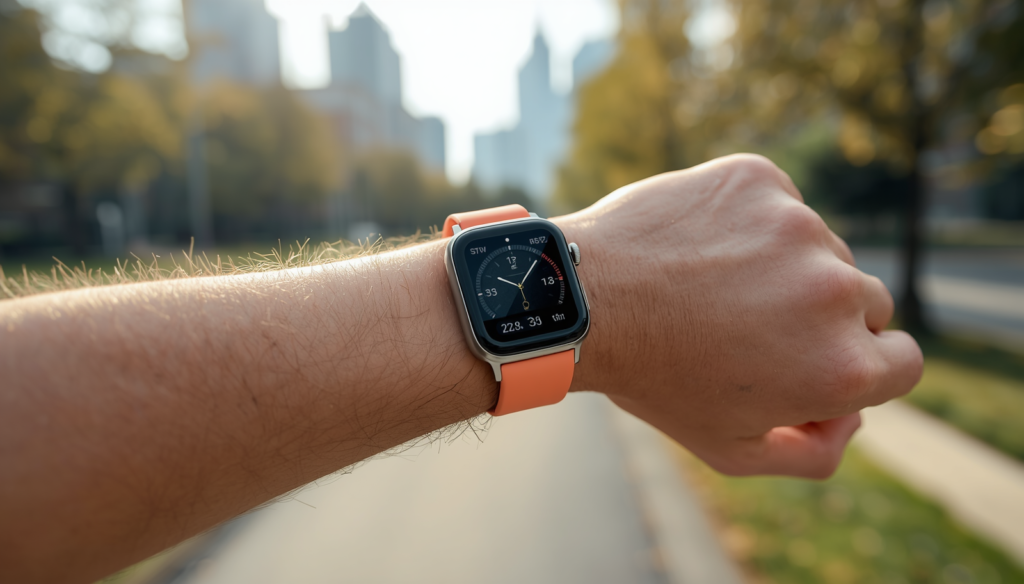

Smartwatches have moved from niche gadgets to daily tools used by students, workers, athletes, and families. Many people now rely on a smartwatch for timekeeping, step counts, sleep logs, heart rate checks, message alerts, call handling, maps, music control, and payment access. Instead of reaching for a phone every few minutes, users can check updates from the wrist in seconds.
For fitness tracking, a smartwatch can help build habits through movement goals, workout records, reminders, and health data. For lifestyle use, it can support schedules, communication, travel, and productivity. This makes smartwatches useful for both exercise sessions and normal daily routines.
If you are planning to buy one, the market includes many models with different prices, operating systems, sensors, battery life, and app support. Choosing the right device depends on your phone type, budget, fitness goals, and daily needs.
This guide explains how smartwatches help with fitness tracking and lifestyle management, which features matter most, how to choose the right model, and how to get value from your purchase.
Why Smartwatches Matter Today
Phones remain essential, but they are not always practical during walks, gym sessions, meetings, or driving. A smartwatch solves that problem by showing key information in a smaller form.
Common uses include:
Viewing calls and texts
Reading app notifications
Tracking steps and distance
Measuring heart rate
Logging workouts
Setting alarms and timers
Using calendars and reminders
Controlling music playback
Finding a lost phone
Making contactless payments
These features save time and reduce constant phone handling.
Smartwatches for Fitness Tracking
Fitness tracking is one of the main reasons people buy smartwatches. Many users want to improve movement habits, manage weight, increase stamina, or monitor health trends.
Step Tracking
Most smartwatches count daily steps through motion sensors. This helps users measure movement during walks, office work, shopping, and travel. Step goals can motivate more activity.
Heart Rate Monitoring
Optical sensors on the back of the watch read pulse levels throughout the day or during workouts. This can help users understand effort levels during running, cycling, and gym sessions.
Workout Modes
Many devices include sports modes such as:
Walking
Running
Cycling
Swimming
Strength training
Yoga
Hiking
Rowing
Workout records often include time, calories, pace, and heart rate zones.
GPS Tracking
Built-in GPS helps runners and cyclists map routes without carrying a phone. This is useful for outdoor training.
Sleep Tracking
Sleep data may include:
Total sleep time
Deep sleep duration
Light sleep duration
Wake periods
Bedtime consistency
Users often use this information to improve sleep routines.
Recovery and Stress Tools
Some models offer breathing sessions, stress scores, readiness scores, or recovery guidance based on movement and heart rate data.
Smartwatches for Daily Lifestyle Needs
Fitness features attract buyers, but daily convenience keeps many users wearing the watch every day.
Notifications on Wrist
Messages, emails, calendar alerts, ride bookings, and social app notifications appear instantly. Users can decide whether to respond or ignore them.
Calls and Voice Functions
Some watches allow:
Answering calls
Rejecting calls
Using voice assistants
Sending voice replies
This helps during driving, cooking, walking, or office tasks.
Calendar and Scheduling
Meeting reminders, event alerts, and to-do notifications improve time management.
Payment Support
NFC-enabled watches can handle payments in supported regions and stores.
Music Control
Users can change tracks, pause audio, or adjust volume during workouts or travel.
Navigation
Turn-by-turn directions on the wrist help during walking, cycling, or travel in new places.
Key Features to Look For Before Buying
Not all smartwatches are equal. Focus on features that match your real use.
- Phone Compatibility
Check whether the watch supports:
Android phones
iPhones
Both systems
Some watches work best inside one ecosystem.
- Battery Life
Battery duration can range from one day to two weeks depending on screen type, GPS use, and features.
Choose based on habits:
Daily charging acceptable: feature-rich models
Weekly charging preferred: long battery models
- Display Type
Common displays:
AMOLED
OLED
LCD
AMOLED screens usually offer clear blacks and readable visuals.
- Build Material
Cases may use:
Plastic
Aluminum
Stainless steel
Titanium
Straps may use silicone, leather, nylon, or metal.
- Water Resistance
Useful for:
Sweat
Rain
Hand washing
Swimming (on supported models)
- Health Sensors
Possible sensors include:
Heart rate
Blood oxygen
Skin temperature
ECG on some devices
Altimeter
Compass
- App Support
Some users need apps for notes, maps, payments, music, health platforms, or productivity.
Best Smartwatch Types for Different Users
For Beginners
Choose a watch with:
Step tracking
Heart rate
Sleep logs
Long battery
Simple app
For Gym Users
Choose:
Strength workout modes
Heart rate zones
Durable strap
Sweat resistance
For Runners
Choose:
GPS
Pace data
Route history
Interval timers
For Office Users
Choose:
Call support
Calendar alerts
Long battery
Formal design
For Students
Choose:
Budget pricing
Alarm tools
Timers
Message notifications
Popular Smartwatch Brands
The smartwatch market includes many known names.
Apple Watch
Used mainly with iPhone. Strong app support and ecosystem links.
Samsung Galaxy Watch
Works well with Android and Samsung devices.
Garmin
Focused on fitness, training metrics, GPS sports use.
Fitbit
Health and activity tracking focus.
Huawei Watch
Often known for battery life and design.
Amazfit
Budget-friendly range with many features.
Xiaomi Watch
Value-focused options with broad appeal.
How Smartwatches Help Build Habits
A smartwatch can support routine change through reminders and visible progress.
Examples:
Move every hour reminder
Daily step target
Water intake reminder via apps
Bedtime alerts
Workout streak tracking
Standing prompts
Seeing progress daily can increase consistency.
Common Mistakes When Buying a Smartwatch
Avoid these errors.
Buying by Looks Only
Design matters, but sensors, battery, and compatibility matter more.
Ignoring Battery Life
If daily charging annoys you, choose a longer battery model.
Overpaying for Unused Features
If you only need steps and alerts, you may not need a premium watch.
Skipping Ecosystem Checks
Some functions may be limited on certain phones.
Not Checking Strap Availability
Replaceable straps improve long-term use.
Tips to Improve Smartwatch Accuracy
Sensor data is helpful but depends on use.
Wear watch snugly, not loose
Keep sensors clean
Update software
Enter correct age, height, weight
Start correct workout mode
Charge regularly
Wear during sleep for sleep data
Smartwatch Use Cases in Daily Life
Morning Routine
Wake alarm vibration
Check weather
Review calendar
Track morning walk
During Work
Silent notifications
Meeting reminders
Timer for tasks
Quick replies
During Exercise
Start workout mode
Track pulse
Log distance
Save session results
Evening
Message checks
Relaxation timer
Sleep mode activation
Are Smartwatches Worth It?
For many users, yes. Value depends on whether you use the features.
Useful for people who:
Want to track health trends
Need easier notifications
Exercise regularly
Prefer less phone checking
Need schedule reminders
Less useful for people who dislike wearing watches or never use tracking tools.
Smartwatch Buying Guide by Budget
Entry Level
Often includes:
Steps
Heart rate
Sleep
Notifications
Good for first-time buyers.
Mid Range
Often includes:
Better displays
GPS
More workout modes
Faster performance
Good balance for many users.
Premium Range
Often includes:
Advanced sensors
Better materials
Strong app systems
Ecosystem integration
Good for users who want full smartwatch functions.
How to Maintain a Smartwatch
To extend life:
Clean strap weekly
Wipe charging pins
Avoid extreme heat
Update firmware
Use original charger
Replace worn straps
Store dry after workouts
Future of Smartwatches
Smartwatches continue expanding in health and convenience. Trends may include:
Better battery efficiency
More health metrics
AI coaching
Better sensors
Lighter materials
Deeper phone integration
As these changes grow, smartwatches may become even more common in daily routines.
Best Smartwatches for Fitness Tracking and Daily Lifestyle Needs: Final Verdict
The best smartwatch is not always the highest priced one. It is the model that matches your phone, routines, budget, and goals. If fitness tracking matters most, focus on heart rate, GPS, sleep logs, and workout modes. If daily lifestyle use matters most, focus on notifications, calls, battery life, and comfort.
For many buyers, a balanced smartwatch with health tracking, strong battery life, clear display, and stable software offers the best long-term value.
Before buying, list your top three needs:
Fitness tracking
Communication
Battery life
Then choose the watch that serves those needs first.
A smartwatch can become one of the most used devices you own when selected with purpose.