
Smartwatches are now part of daily life for many users. They are used for time tracking, fitness monitoring, notifications, calls, and basic health tracking. One of the main reasons people choose a smartwatch is battery life, because frequent charging reduces convenience. Another important factor is design, since the watch is worn all day and often reflects personal style.
This article explains how smartwatches with long battery life and premium design work, what features matter, how to choose the right model, and what users should expect from modern devices. It also covers use cases in daily life, fitness tracking, productivity, and long-term value.
Understanding Smartwatch Battery Life
Battery life refers to how long a smartwatch can operate before it needs charging. It depends on hardware, software, display type, sensors, and usage patterns.
Some watches last one day, while others can last several days or even weeks.
Factors Affecting Battery Life
Several elements control battery performance:
Display brightness and type
GPS usage
Heart rate monitoring frequency
App usage
Notification load
Bluetooth connection stability
Battery size
Processor efficiency
Users who track fitness daily or use GPS often experience shorter battery duration.
Why Battery Life Matters in Smartwatches
Battery life is important because smartwatches are designed for continuous use.
Daily Usage
A smartwatch is usually worn throughout the day and sometimes at night for sleep tracking. If battery runs out quickly, it reduces usefulness.
Fitness Tracking
Workout tracking, GPS navigation, and heart rate monitoring require power. Longer battery life allows uninterrupted sessions.
Travel Use
During travel, charging opportunities may be limited. Longer battery life reduces dependence on chargers.
Sleep Monitoring
Users who track sleep need the watch to last through the night without charging breaks.
Types of Smartwatch Battery Systems
Different smartwatches use different operating systems and power models.
Standard Smartwatch Systems
These systems offer full apps, notifications, and display features. They usually require daily or near-daily charging.
Hybrid Smartwatches
Hybrid models combine analog design with limited smart features. They often last longer because they use fewer sensors and simple displays.
Fitness-Focused Systems
These watches focus on health tracking and often use optimized software to extend battery life.
Design in Smartwatches
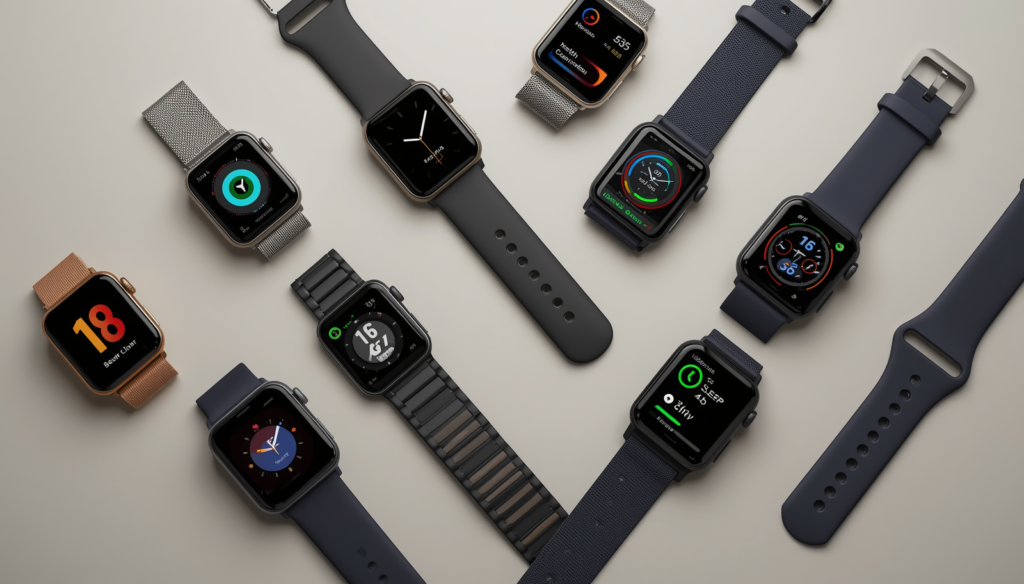
Design plays a major role in smartwatch selection. Since the device is visible all day, users prefer a style that fits different environments.
Case Material
Common materials include:
Aluminum
Stainless steel
Plastic composite
Titanium
Each material affects weight, durability, and appearance.
Strap Options
Straps can be changed depending on usage:
Silicone for fitness
Leather for daily wear
Metal for formal use
Nylon for comfort
Display Shape
Two main shapes exist:
Round display
Square or rectangular display
Both designs are used depending on brand and system.
Screen Technology
AMOLED
OLED
LCD
Screen type affects clarity, battery consumption, and visibility.
Features Found in Long Battery Smartwatches
Smartwatches with longer battery life often include optimized features.
Power Saving Modes
These modes reduce background activity and extend usage time.
Limited App Usage
Some watches reduce app complexity to save power.
Efficient Sensors
Sensors like heart rate monitors are optimized to run at intervals instead of continuous tracking.
Simplified Display
Some models use always-on low power displays or limited refresh screens.
Health and Fitness Features
Even with long battery focus, many smartwatches still include health tracking.
Heart Rate Monitoring
Tracks pulse throughout the day or during workouts.
Step Counting
Measures daily movement and activity levels.
Sleep Tracking
Logs sleep duration and patterns.
Blood Oxygen Measurement
Available in some models for health monitoring.
Workout Modes
Common activities include walking, running, cycling, and gym training.
Smartwatch Use in Daily Life
Smartwatches are used beyond fitness tracking.
Notifications
Messages, calls, and app alerts appear on the wrist.
Calls and Voice Control
Some models allow answering calls or using voice assistants.
Calendar Management
Reminders and schedules are displayed in real time.
Music Control
Users can control playback without using a phone.
Navigation
Maps and directions can appear on the watch screen.
Long Battery Smartwatches vs Standard Smartwatches
There are clear differences between these two categories.
Long Battery Smartwatches
Extended usage time
Limited app system
Focus on tracking
Fewer background processes
Standard Smartwatches
Full app support
Advanced features
Daily charging
Strong ecosystem integration
Users choose based on needs.
How to Choose a Smartwatch
Selecting a smartwatch requires checking several factors.
- Battery Requirement
Decide if you prefer daily charging or multi-day use.
- Design Preference
Choose between round or square display and case material.
- Phone Compatibility
Ensure the watch supports your phone system.
- Usage Purpose
Identify if you need:
Fitness tracking
Communication
Productivity
Travel support
- Budget Range
Different price levels offer different features.
Common Mistakes When Choosing Smartwatches
Many users make mistakes during purchase.
Focusing Only on Design
Design matters, but function is more important.
Ignoring Battery Claims
Real usage may differ from advertised numbers.
Not Checking Compatibility
Some watches work better with specific phones.
Overlooking Software Support
Software updates affect long-term performance.
Popular Brands Offering Long Battery Smartwatches
Several brands focus on battery optimization.
Garmin
Known for fitness tracking and long battery life.
Amazfit
Offers budget-friendly options with extended usage time.
Huawei
Focuses on design and battery efficiency.
Fitbit
Balances health tracking and usability.
Samsung
Offers both standard and extended battery modes.
Use Cases of Long Battery Smartwatches
Office Use
Used for notifications, meetings, and reminders.
Fitness Use
Used for tracking workouts and health data.
Travel Use
Used for navigation, time zones, and alerts.
Study Use
Used for alarms, schedules, and focus timers.
Maintenance Tips for Battery Life
To extend battery performance:
Reduce screen brightness
Turn off unused sensors
Disable unnecessary notifications
Use power saving mode
Update firmware
Avoid extreme temperatures
Future of Smartwatch Battery Technology
Battery technology is improving with time.
Possible future changes:
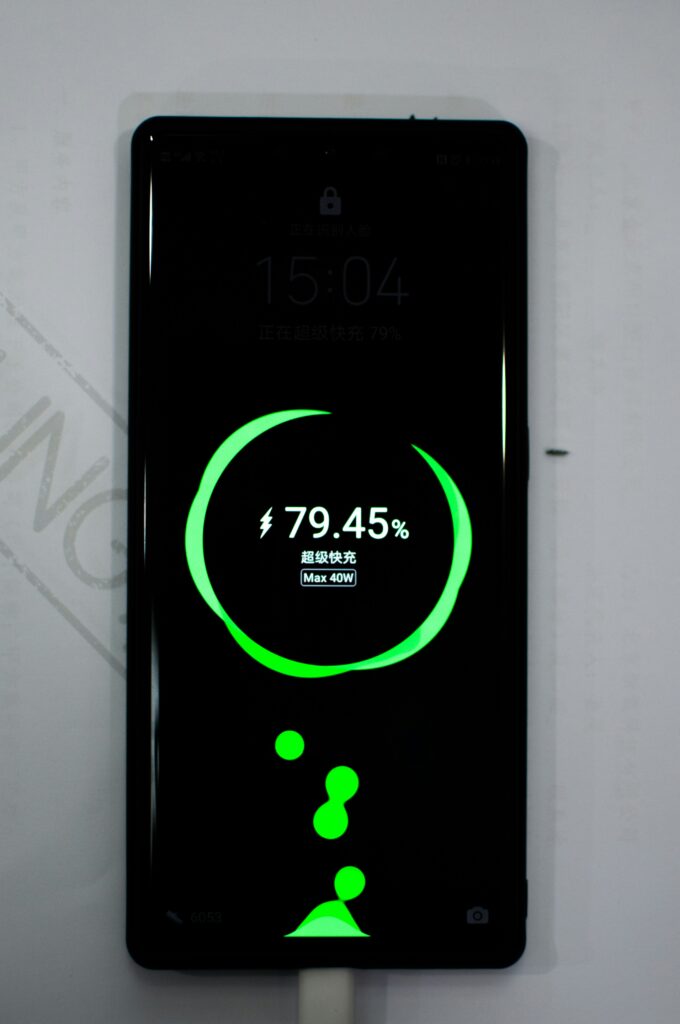
Faster charging systems
Solar-assisted charging
More efficient processors
Better power management software
Longer standby time
These improvements may reduce charging frequency further.
Design Trends in Smartwatches
Design continues to evolve.
Current trends include:
Thin body structure
Minimal frame design
Lightweight materials
Custom strap systems
Simplified interface
Design now focuses on comfort and usability.
Are Long Battery Smartwatches Worth It?
These devices are useful for users who want less charging and more continuous tracking. They are suitable for fitness users, travelers, and people with busy routines.
However, users who want full app ecosystems and advanced features may prefer standard smartwatches with shorter battery cycles.